

 1 min read
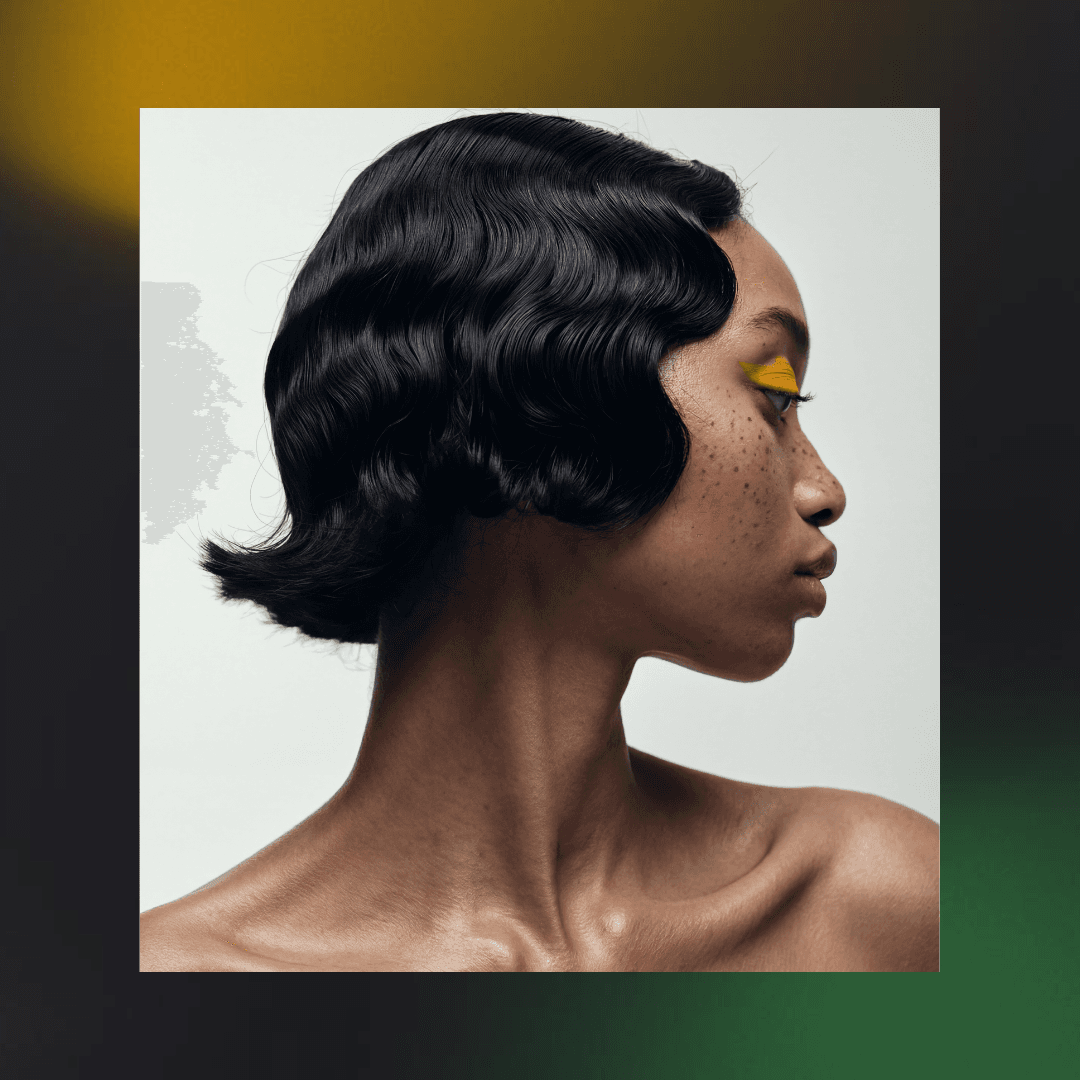
Styling Guide for Magazine Publications: How to Land the Cover
Introduction: The Cover as the Ultimate Validation
For a stylist, makeup artist, or photographer, landing a cover is more than just another publication—it is a high-yield investment in your personal brand. In 2026, data from the Depo Place platform shows that 70% of a shoot's success depends on pre-production and understanding editorial demands. How do you create content that no editorial board can ignore?
1. Niche Analysis and Targeted Submissions
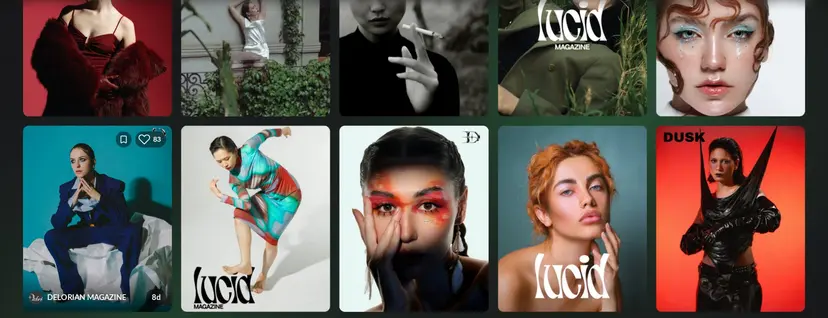
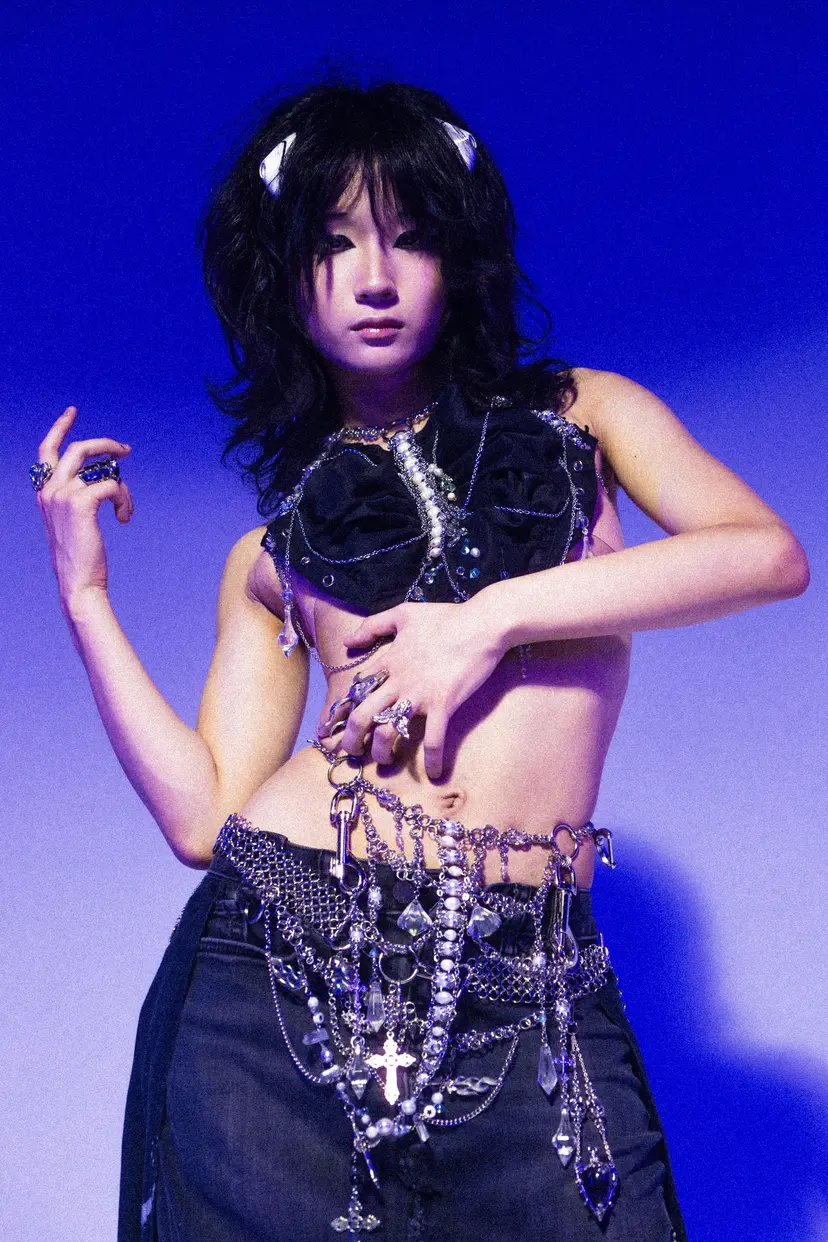
Editors on the Depo platform often curate issues based on specific themes like Street Style, Beauty, Editorial, or regional niches such as the "Asian Market" or "Bridal Couture." Before scheduling your shoot, it is essential to browse magazine profiles in the Connect section and review the work they have published over the last 3 months. For instance, if you are shooting street style for the Korean market, your styling should be sleek and futuristic; if it’s a Beauty issue, the focus must shift toward unconventional makeup and macro textures.
2. Styling Secrets for the Cover
A cover has specific technical and visual requirements that differ significantly from internal editorials. First, Composition is King: the magazine logo (masthead) is usually placed at the top, so a stylist must design the look so that the model's head or accessories don't awkwardly obstruct the title—or, conversely, allow for a stylish "overlap" where the logo sits perfectly behind the subject. Second, remember The Power of Color; editors love cohesion, and many issues are curated by specific color palettes (e.g., "The Red Issue"), meaning that bold, trending accent colors can move your work from an inside page straight to the front. Finally, Avoid Visual Noise by skipping overly intricate patterns or chaotic backgrounds that clutter the frame, as clean lines and a strong, recognizable silhouette work best for high-impact newsstand appeal.
3. Teamwork and Credits
On Depo Place, a publication acts as a serious networking powerhouse. When submitting through the platform, always include the names and social media handles of the entire crew to build editorial trust and ensure maximum cross-promotion once the issue drops. Keep in mind that quality always trumps quantity—an editor might accept only 2–6 photos from your set of 12, so for a stylist, it’s crucial that every single frame in the series is strong enough to stand alone as a lead image. Pro Tip: You can always find the perfect cover-ready team via Depo Locals.
4. Closing the Deal: The Final Push
The platform utilizes an Upsell system, meaning that if your work is accepted for a standard editorial (Accepted), the editorial board may offer you the Cover slot as a premium upgrade. To secure this, you must stay responsive, as editors communicate directly via the Depo internal chat or email—a quick response and readiness to provide a Copyright Release is your fast track to print. Additionally, respect exclusivity; while many digital-first magazines don't require strict exclusivity for inside pages, you should always offer "unseen" shots for the cover that haven't been spoiled on social media.
Landing a cover is a synergy of your creative talent and the technological ecosystem of Depo Place. Start small: analyze trends in Asia and the US, assemble a reliable team via Locals, and submit your best work to seasonal Open Calls.
Looking for real visibility for your work?
Depo Awards is open to creators seeking meaningful presence, not symbolic recognition.
FAQ
1. How does the Depo Place Upsell system work for magazine covers?
When you submit your editorial through the platform and the editorial board accepts it (status: "Accepted"), they review the quality of the shots. If your work stands out, complies with composition rules, and has high newsstand appeal, the editors may offer you a premium upgrade to secure the Cover slot instead of a standard inside-page feature.
2. Why is composition so critical when styling specifically for a magazine cover?
Unlike internal editorial pages, a cover must accommodate the magazine’s masthead (logo) at the top and various cover lines. As a stylist, you must position garments, oversized hats, or dramatic accessories so they don't awkwardly block the title, or intentionally design the look to allow for a clean, professional "overlap" where the logo sits behind the model.
3. Do I need to provide exclusive, unseen images to get the cover slot?
Yes. While many digital-first publications are flexible with inside pages, cover images require strict exclusivity. Editorial boards want high impact, which means you should always offer "unseen" shots from your series that have not been published anywhere else or spoiled on social media.
How can I find a reliable creative team for a cover-ready shoot?
You can easily find top-tier, reliable talent by using the Depo Locals tool on the platform. It allows you to discover and recruit experienced photographers, makeup artists, and models in your area who understand editorial standards and can help execute a high-yield project.
5. What styling elements should I avoid to prevent a submission from being rejected?
You should strictly avoid visual noise. Overly intricate patterns, chaotic textures, or messy, distracting backgrounds can clutter the cover and lessen its impact on a newsstand. Editors prefer clean lines, a strong and recognizable silhouette, and cohesive color palettes that tie the issue's theme together.



Did you enjoy this article?
Show your support with a like and share it with someone who might appreciate it too.
Comments
No comments yet. Be the first to share your thoughts!