
 1 min read
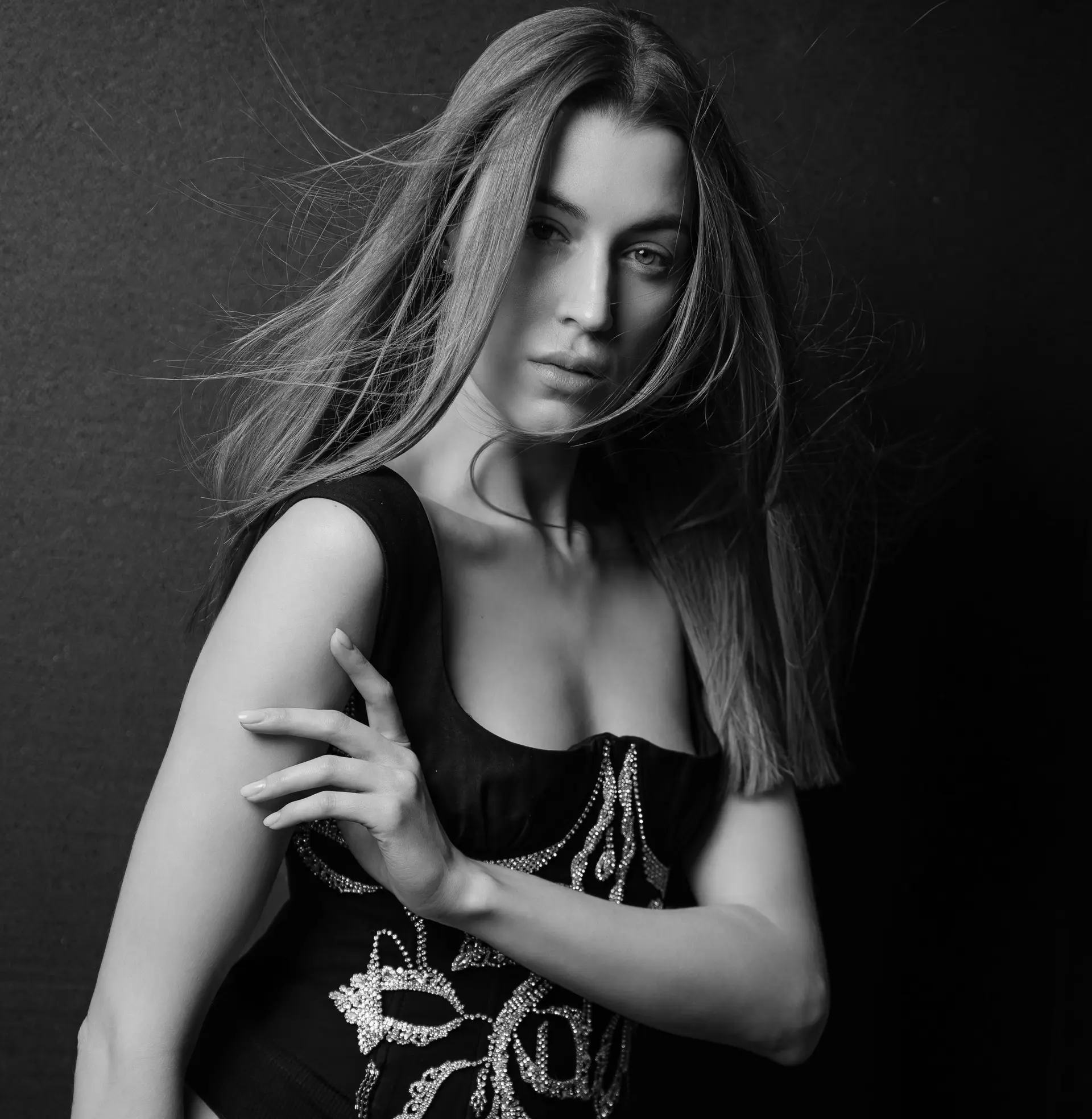
Persona.Code: Why We Created a Magazine About People in the Age of Algorithms
Every day, thousands of photographers, models, makeup artists, stylists, and creative teams share their work online. A photograph appears in a feed, gains attention for a moment, and then disappears beneath an endless stream of new content. The creative industry has never been more accessible. Yet, in many ways, creative work has never felt more temporary. This question became the starting point for Persona.Code: What remains when the algorithm stops showing your work?
For years, we watched the creative industry evolve through social media. Platforms opened new opportunities, connected artists across continents, and made publishing more democratic than ever before. But they also changed the way we experience creative work. Images are consumed faster, stories become shorter, and attention spans shrink. The value of a project is often measured by engagement metrics rather than artistic vision.
At the same time, something unexpected happened. Printed magazines — once considered outdated — began to regain their significance. Not because they were more convenient, but because they offered something digital platforms could not: permanence. A printed page invites a different kind of attention. It slows the viewer down, transforming an image from content into a statement. This realization became the foundation of Persona.Code.
More Than a Photography Magazine: Decoding the Visual Persona
Persona.Code was never intended to be only a photography magazine. It was created as a space for identity, storytelling, and creative expression. The name itself reflects this idea. Persona represents the individual — the character, presence, and personal narrative behind every image. Code represents the invisible language through which we communicate who we are.
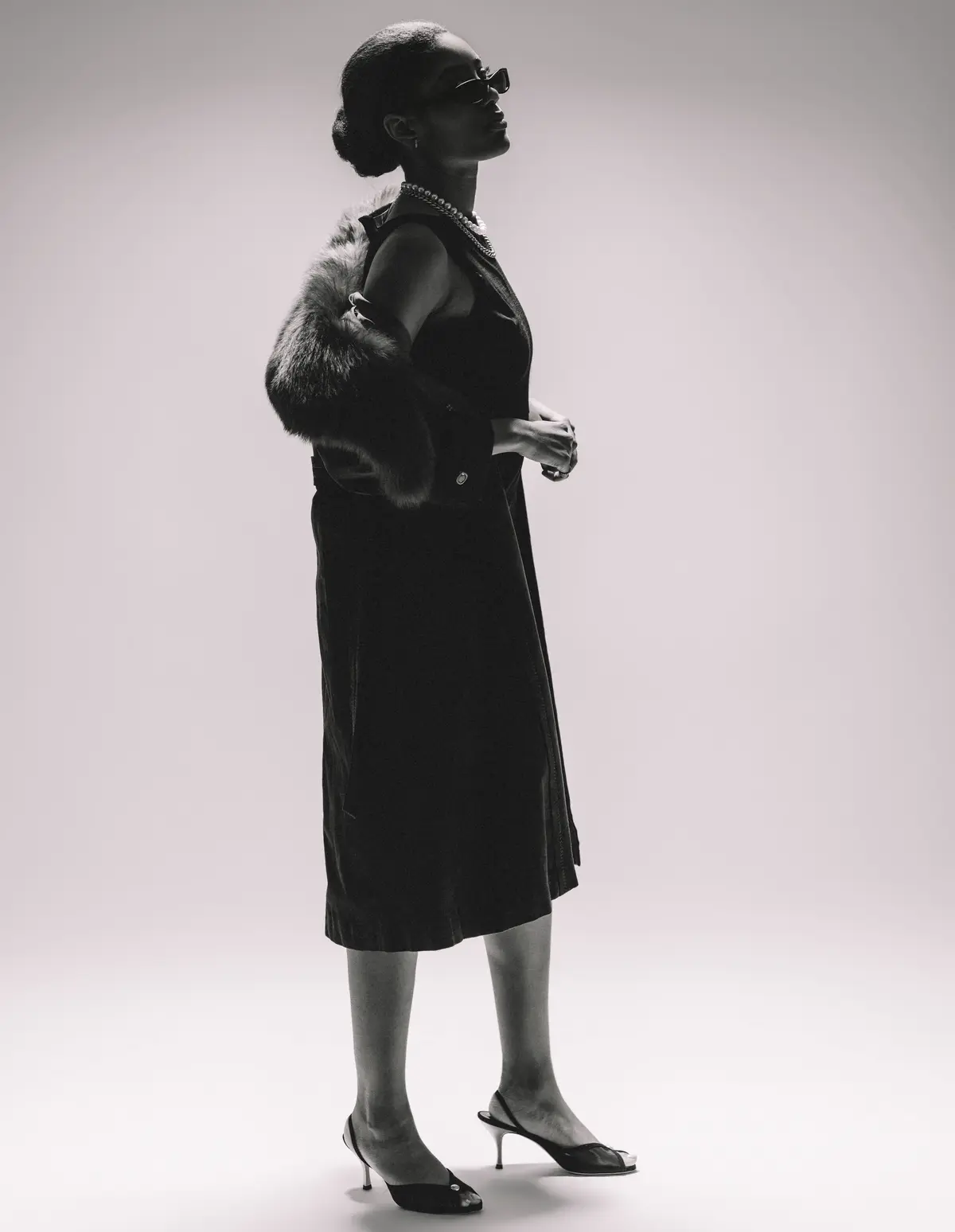
Together, they form a simple belief: every person carries a unique code, and photography is one of the most powerful ways to reveal it. For us, a photograph is never just about aesthetics. It is about personality. It is about the stories that exist between what is visible and what is felt.
In an era dominated by screens, print creates a different relationship between the audience and the work. A magazine becomes an object people keep, a publication becomes part of a portfolio, and a printed feature often represents a milestone in a creative career. For photographers, models, stylists, and artists, publication is not only exposure; it is recognition. That is why every issue of Persona.Code exists both digitally and in print. We believe creative work deserves a space where it can live beyond a scrolling feed.

Building a Global Creative Community Beyond Transitory Trends
One of the core ideas behind Persona.Code is accessibility. Talent is not defined by follower counts. Great work can come from established professionals as easily as from emerging artists who are publishing for the first time. Through open calls, we invite photographers, models, makeup artists, stylists, retouchers, and creative teams from around the world to submit their work. Every issue becomes a collection of diverse perspectives, cultures, and visual languages.
The creative industry moves quickly. Trends appear and disappear within weeks. Algorithms change, and platforms evolve. What remains are stories. What remains are people. Persona.Code was created as a reminder that behind every image is a human experience worth documenting — not for a day, not for a season, but for years to come. Because every photograph tells a story, and every story begins with a person: a unique identity, a unique perspective, a unique code.
Active Curatorial Pipelines: Submit Your Project Directly to Persona.Code
To make the submission process completely accessible and transparent, Persona.Code manages all international portfolios through advanced, automated submission channels. Instead of sending untracked emails or chaotic cloud links that risk being lost, creative teams can route their high-resolution projects straight into active review queues. [Explore Persona.Code’s Active Open Calls on DEPO Place] to view current thematic requirements, check production deadlines, and submit your team-verified asset package directly to the editorial board.
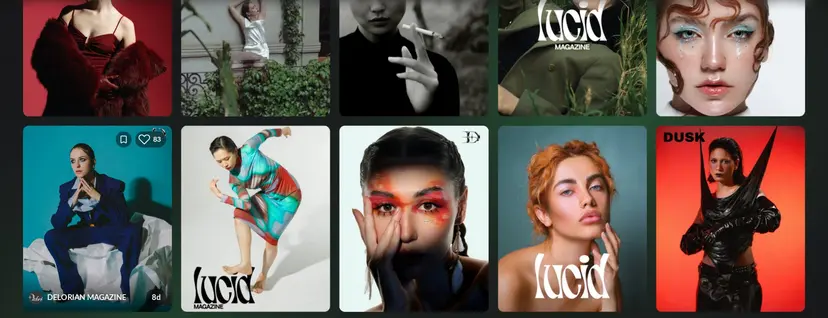
To get a feel for the magazine's style and see what imagery resonates with them, just check out their digital archive. You can follow them directly on Instagram: @persona.code.magazine to explore their curated world, find creative inspiration, and see fresh editorial work from creators around the globe.
FAQ
1. What specific visual themes and creative philosophies is Persona.Code looking for?
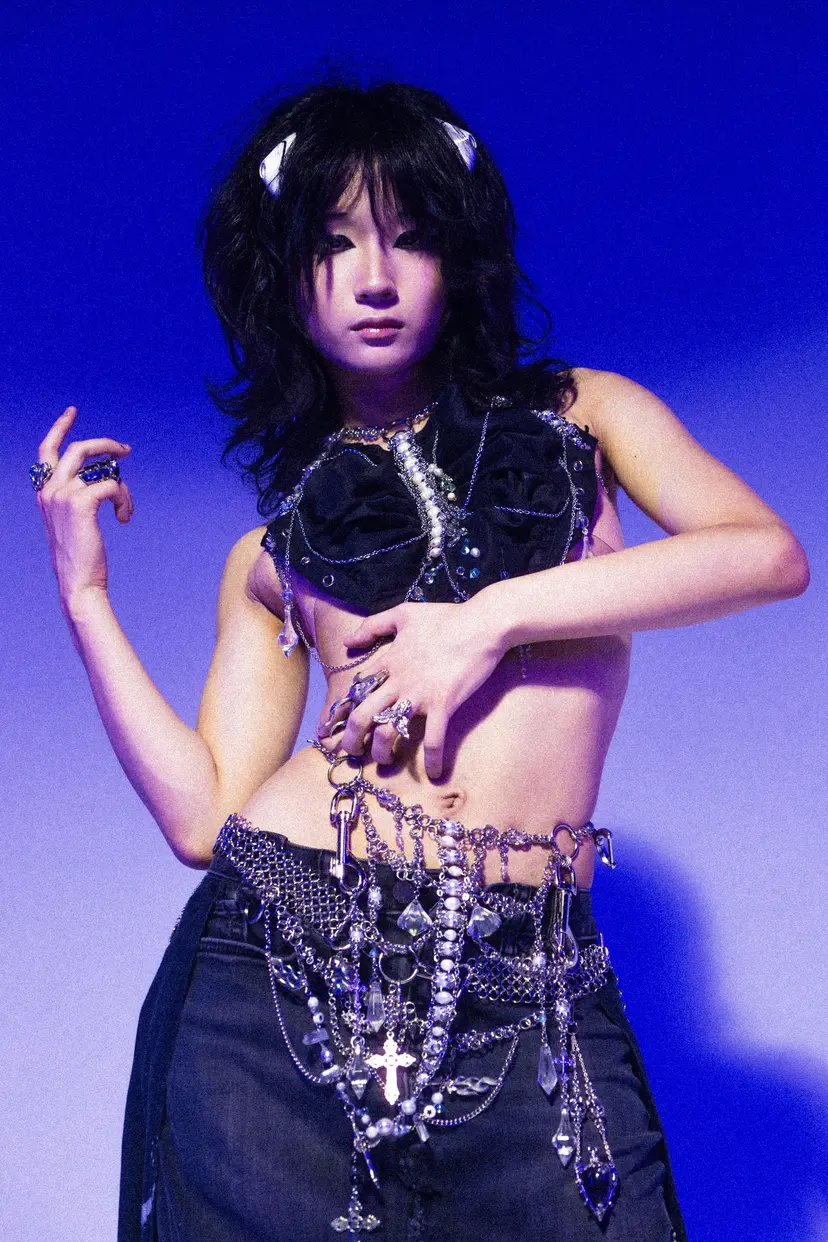
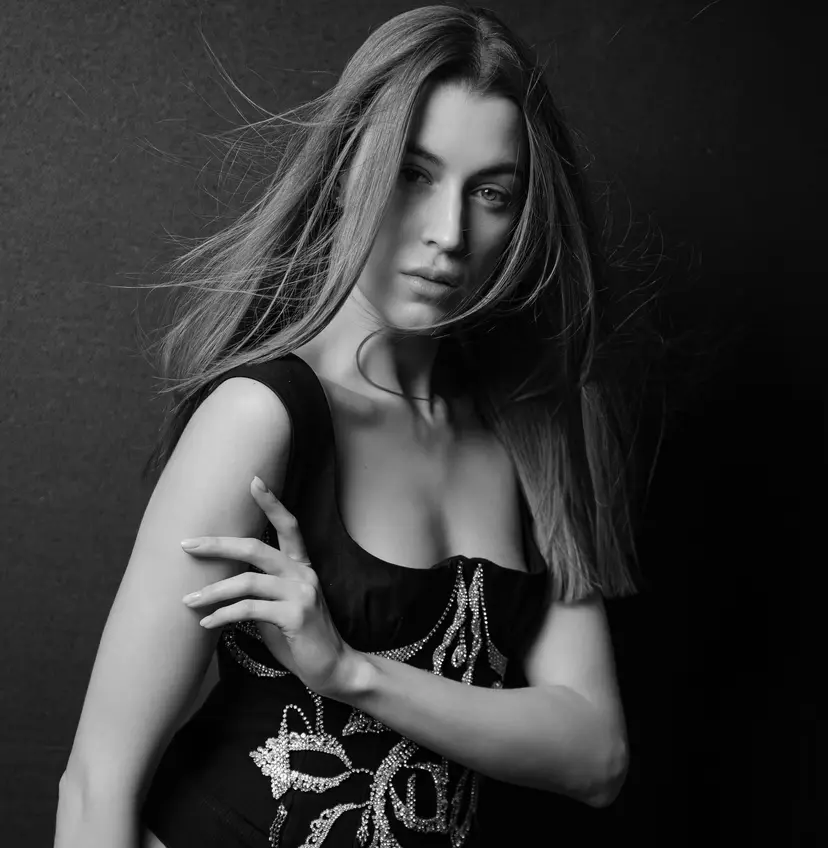
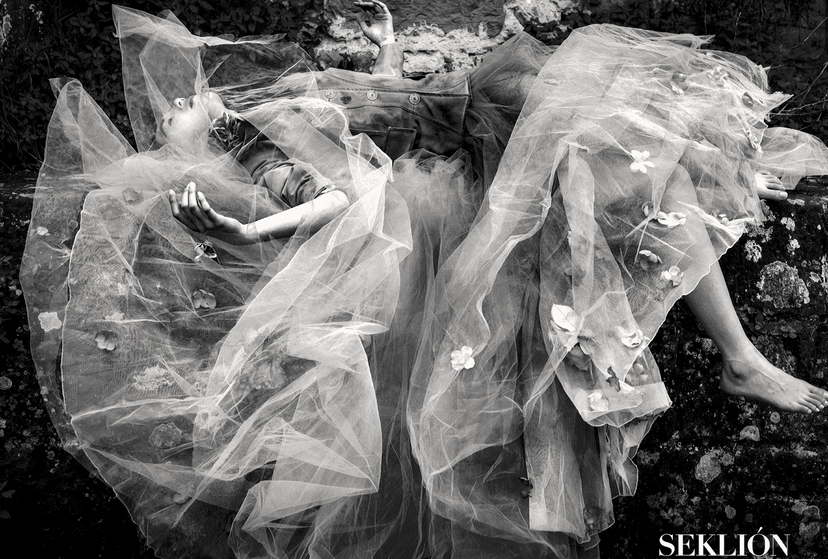
Persona.Code seeks imagery focused on human identity, storytelling, and emotional presence rather than fleeting seasonal trends or superficial aesthetics. The magazine balances personal and cinematic narratives where texture, posture, and light work together to reveal the unique human experience and creative perspective behind the frame.
2. Why does Persona.Code require fully structured metadata and linked crew credits for reviews?
As an agile independent title operating on precise publishing timelines, Persona.Code evaluates work through a unified dashboard. Submissions that arrive with pre-linked creative collaborator profiles and verified clothing data represent zero administrative friction, allowing the editorial board to confidently fast-track the project for print without data gaps.
3. How does Persona.Code handle the intellectual property and copyright of contributing global artists?
In alignment with the standards of independent publishing, Persona.Code fosters a culture of creative autonomy. Artists retain 100% of their underlying copyrights. By utilizing automated, clear digital licensing parameters during the platform submission phase, print and digital reproduction permissions are explicitly defined while keeping the creator's assets legally protected.
4. Can emerging or unrepresented international creative teams realistically get featured in Persona.Code's print editions?
Yes. Persona.Code explicitly prioritizes creative vision and a strong aesthetic voice over industry status, social media metrics, or follower counts. Because the submission channel operates via an automated digital review panel, all incoming projects are evaluated purely on their narrative strength, visual execution, and operational compliance, leveling the playing field for worldwide talent.
Looking for real visibility for your work?
Depo Awards is open to creators seeking meaningful presence, not symbolic recognition.


Did you enjoy this article?
Show your support with a like and share it with someone who might appreciate it too.
Comments
No comments yet. Be the first to share your thoughts!