
 1 min read

The Collapse of the Legacy Gatekeepers
For decades, the global fashion narrative was controlled by a handful of corporate media conglomerates operating out of New York, Paris, and Milan. A small, elite circle of traditional editors decided which photographers got exposed, which aesthetics were deemed "high-fashion," and which creators were granted entry into the industry. But as we cross into 2026, the traditional publishing model is facing an existential crisis. Bureaucracy, soaring print overhead, and a disconnect from sub-cultural realities have left legacy glossies sluggish and struggling to stay relevant. Meanwhile, a quiet revolution is taking place on the margins. We are witnessing the unstoppable rise of independent fashion media.
[Legacy Media Model]: Top-Down Corporate Control в”Ђв”Ђ> Creative Gatekeeping в”Ђв”Ђ> High Print Overhead
[2026 Indie Media Model]: Decentralized Niche Publishing в”Ђв”Ђ> Automated Workflows в”Ђв”Ђ> Global Audience Reach
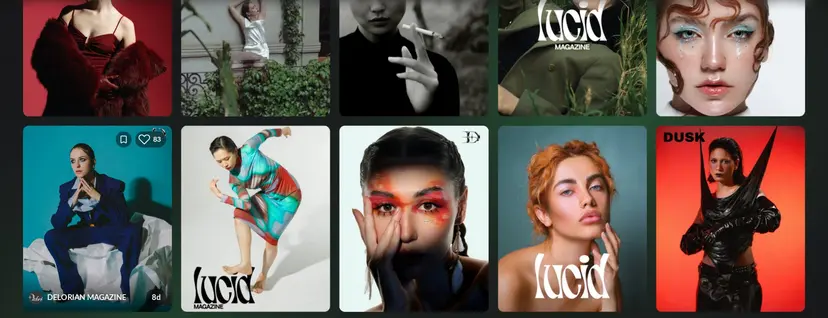
Independent fashion magazines are no longer just alternative zines printed on cheap paper for local art crowds. In 2026, independent publishers are producing some of the most avant-garde, culturally relevant, and visually breathtaking print and digital media in the world. The playing field has been completely leveled. Emerging editors, curators, and creative collectives are building highly targeted, global publication footprints from scratch. They are winning because they have cracked the code on two critical elements: capturing raw, authentic human talent, and mastering hyper-efficient visual content logistics. By bypassing legacy corporate structures and adopting modern specialized digital submission channels, independent publishing has transformed from a chaotic passion project into a highly scalable, streamlined business model.
The Core Bottleneck: The Operational Chaos of Going Indie
Despite the massive cultural demand for independent perspectives, launching and running an independent fashion title has historically been a logistical nightmare. While big corporate publishers have dedicated production departments to manage visual assets, indie teams are usually small, agile, and chronically overworked. Before the introduction of integrated coordination technology, the daily operational routine of an independent editor looked like complete chaos.
Editors spent up to 15 hours a week digging through unsolicited emails, expired file-sharing links, and chaotic cloud folders (The Submission Vacuum). Editorial teams routinely lost track of production details because ongoing conversations were scattered across multiple social networks, chat apps, and endless email threads (The Fragmented Communication Trap). Finally, laying out an issue required hours of manual data entry just to match high-resolution images with their corresponding team credits, model details, and wardrobe pull lists (The Missing Metadata Crisis).
Traditional Indie Workflow: Submissions (Loose Links) + Team Credits (Email text) + Edits (Chat Apps) = Operational Exhaustion
When a small team spends 80% of its energy fighting administrative routine and tracking down missing download links, creative direction suffers, and monetization becomes impossible. To survive and thrive in 2026, independent media houses had to find an operational shortcut—a way to manage global content pipelines without corporate overhead.
The Solution: Transforming Media Ingestion via Smart Automation
The survival and ultimate scaling of independent fashion media in 2026 is driven by a fundamental shift in software architecture. Independent publishers have abandoned generic office tools in favor of dedicated submission channels. A unified platform completely automates the ingestion, curation, and layout preparation pipelines for modern media brands through three core mechanics.
First, Automated Submission Ingest Control replaces scattered links with a centralized, uniform interface that automatically packages high-resolution files, structured credit text, and digital signatures into a clean dashboard ticket. Second, Instant Curation and Dynamic Filtering allows editorial boards to visually sort and categorize entries into virtual production folders with a single click, removing the need to download massive files locally. Third, Context-Bound Communication Architecture enables editors to chat directly with creators within the specific submission ticket, ensuring the full production history stays permanently tied to the visual asset.
The Digital Blueprint: A Structured Path to Scale
To help independent media brands navigate this new landscape, industry leaders utilize a structured, three-pillar approach to scaling sustainably without massive corporate capital. The first pillar is Systemic Intake Management, which requires establishing an automated, zero-friction entry pipeline using platform-wide open call aggregators to tap into a global stream of verified creative talent from day one. The second pillar is Total Asset and Data Integrity, which enforces absolute data structure by hard-linking every image file to automated copyright declarations and digital model waivers during upload, protecting the brand from legal disputes. The third pillar is Network Integration, where digital open calls feed directly into global talent pools, collaborative commercial projects, and real-world cultural activations.
Turning Digital Curation into Physical Reality
The most exciting evolution of independent fashion media in 2026 is its fluid transition between the digital and physical worlds. Independent media is no longer confined to web grids or expensive, gatekept print distribution loops. Because modern platforms lifestyle-standardize incoming metadata and high-resolution storage files, independent editorial curation can instantly scale into real-world cultural experiences. For example, digital open calls run by independent editors connect directly with artistic showcases and physical projects. Selected works move seamlessly from an editor's computer straight onto the walls of real-world galleries, live networking events in creative hubs like Prague, and can even make it to the international event for photographers, creators, and visual artists — [DEPO Place Awards] For creators, this means a quick way to show their work to the world, while for publishers, it’s an opportunity to make their brand stand out in the industry.
The Creator’s View: Pitching to the New Media Elite
If you are an emerging photographer, art director, or stylist, the rise of independent fashion media is the biggest opportunity of your career. But to capitalize on it, you must treat independent editors with professional respect by delivering production-ready content. When applying to modern independent open calls, creators must follow a precise four-step strategy to stand out on the curation panel: maintaining an immaculate, up-to-date digital portfolio (Verify Your Professional Profile), tagging creative team profiles directly within submission files (Pre-Map Creative Credits), completing automated copyright declarations and model releases during upload (Secure Clear Legal Waivers), and using a personal creator dashboard to track real-time application updates from pending to accepted (Track Your Pipeline Status).
The new media elite are looking for authentic talent right now. Don’t let messy logistics hold your creative career back. Pitch your best work to international open calls with total professional precision. Explore Active Independent Magazine Open Calls on DEPO Place – [Submit Your Production-Ready Work Today]
FAQ
Why are independent fashion magazines outperforming traditional corporate glossies in 2026?
Traditional magazines are weighed down by corporate bureaucracy, massive printing overhead, and slow production cycles. Independent publishers are agile, culturally authentic, and deeply connected to sub-cultural movements. By utilizing automated ingest tools like DEPO Place, indie titles can run elite global operations at a fraction of the traditional cost.
How do independent publishers handle copyright and model releases automatically?
Modern platforms feature built-in digital signature and verification fields directly within the submission pipeline. When a creator uploads an editorial, they complete standardized intellectual property declarations and upload linked model releases. This ensures the publisher is completely protected from legal disputes before the layout phase even begins.
What is the main benefit of an automated publishing workflow for a beginning editor?
It provides a systematic, automated blueprint for managing media operations. It teaches creators how to transition from an unorganized passion project into a structured, profitable business by focusing on intake automation, data integrity, and leveraging wider distribution networks to maximize visibility and revenue.
How do digital platform submissions transition into physical exhibitions and awards?
Because all visual assets are uploaded in high-resolution and accompanied by clean, structured data, curation boards can easily transition digital files into physical print production. Selected platform submissions are automatically formatted and queued for real-world print runs, gallery curation, and physical showcase placement at international cultural events like the DEPO Place Awards.
How does the decentralized media model help emerging creators monetize their work?
In 2026, decentralized publishing cuts out the traditional corporate middlemen, allowing creators to retain ownership of their intellectual property while gaining direct access to commercial collaborations. Through integrated networks, an independent feature instantly syncs with global brand talent pools, paid creative syndicates, and direct Web3 or micro-patronage monetization streams built into the platform.




Did you enjoy this article?
Show your support with a like and share it with someone who might appreciate it too.
Comments
No comments yet. Be the first to share your thoughts!